STUDYING VIRAL AT THE VIRUS-HOST INTERFACE
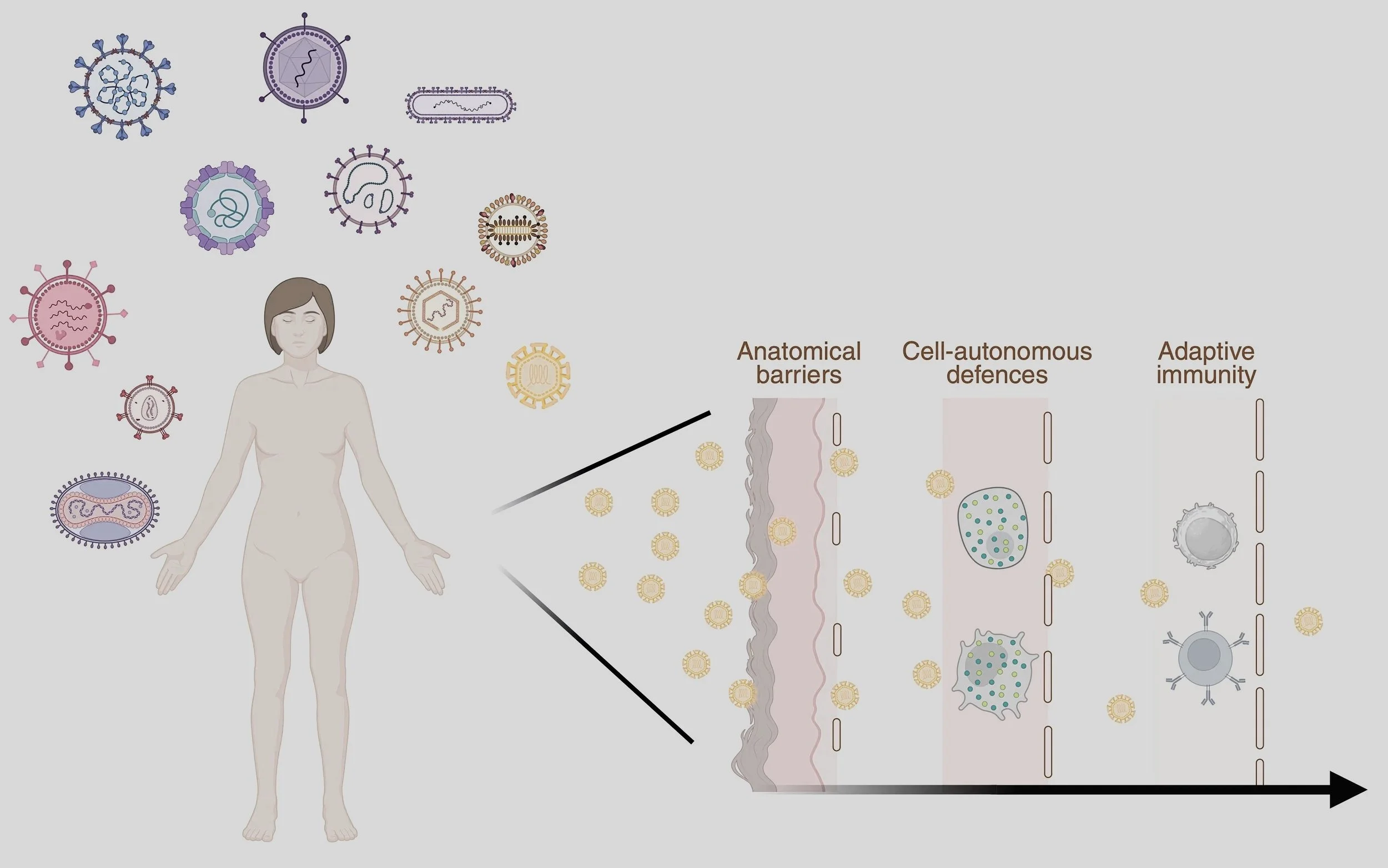
The lab main research interest is to understand virus-host interactions that dictate the outcome of viral infection, with a focus on the Flaviviruses Dengue, Zika and West Nile. We are very interested in studying antiviral proteins that constitute the first barrier to viral infection, and conversely how viruses antagonise these antiviral proteins to multiply and survive. By defining these virus-host conflicts, we can identify critical determinants of pathogenesis and barriers for interspecies transmission.
The lab is interested in addressing five fundamental questions:
1) How do human cells control flavivirus replication?
2) What are the critical virus-host conflicts that define flavivirus pathogenesis?
3) What factors control the interspecies transmission potential of these viruses?
4) What viral and host factors influence the outcome of flavivirus infection and potentially of other viruses?
5) What is the potential of host-directed antivirals to prevent the replication and spread of these viruses?
APPROACH
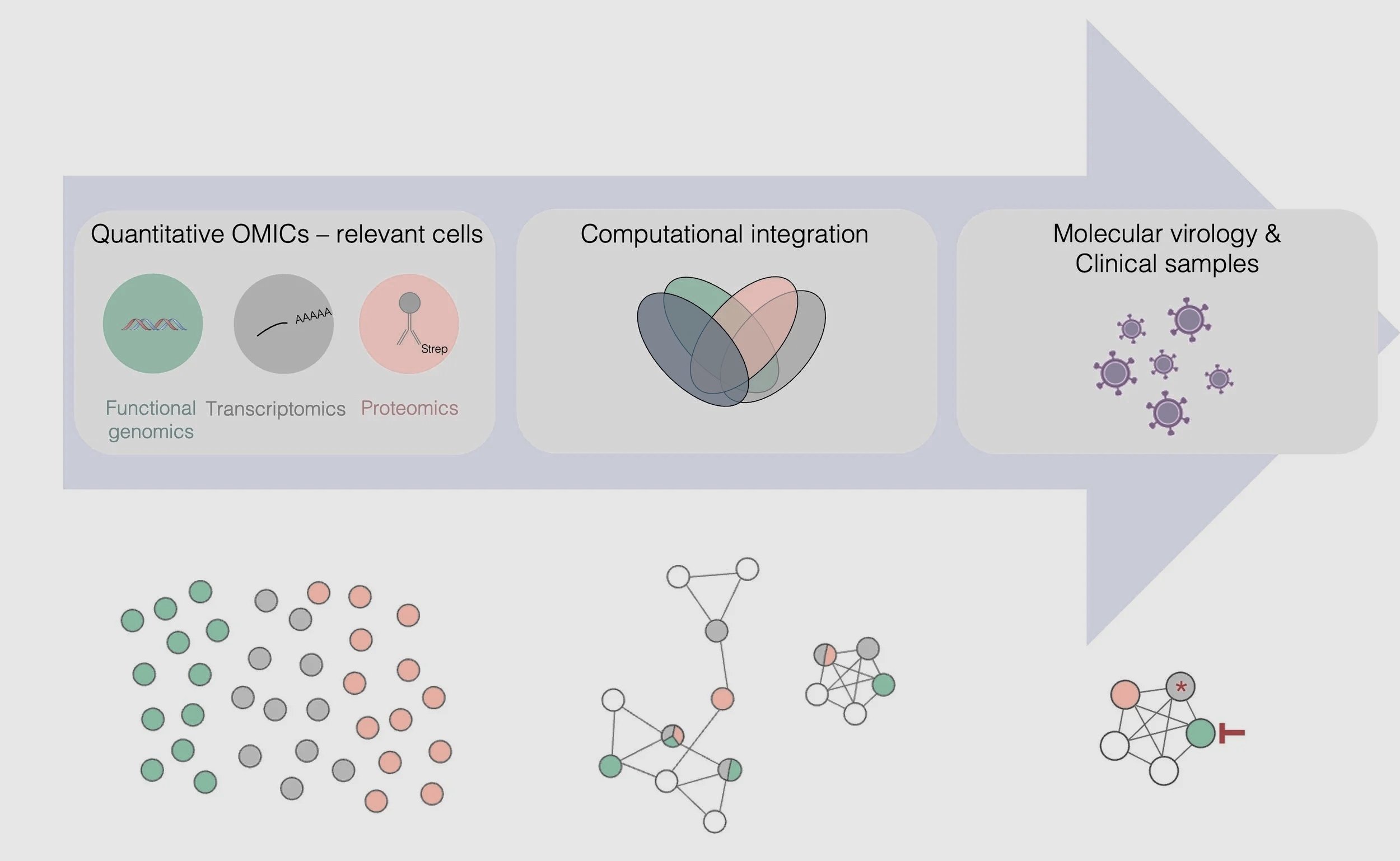
To study these complex interactions, the lab has adopted a systems biology approach, where we combine OMIC measurements - including genome-wide functional genetic screens, proteomics and transcriptomics -, with computational biology, molecular virology, and clinical samples.
CURRENT PROJECTS

In a project funded by the Academy of Medical Sciences, we are combining clinical samples and molecular tools to dissect the differences in pathogenesis and transmission seen across the four dengue virus (DENV) serotypes

In a project funded by Wellcome Trust we are currently leveraging the cellular restrictome to DENV to identify both viral and host determinants of severe disease
In a project funded by the ERC Starting Grant we are studying novel mechanisms of viral restriction that are independent of interferon signaling